
Strength is a Feeling, Not Just a Number
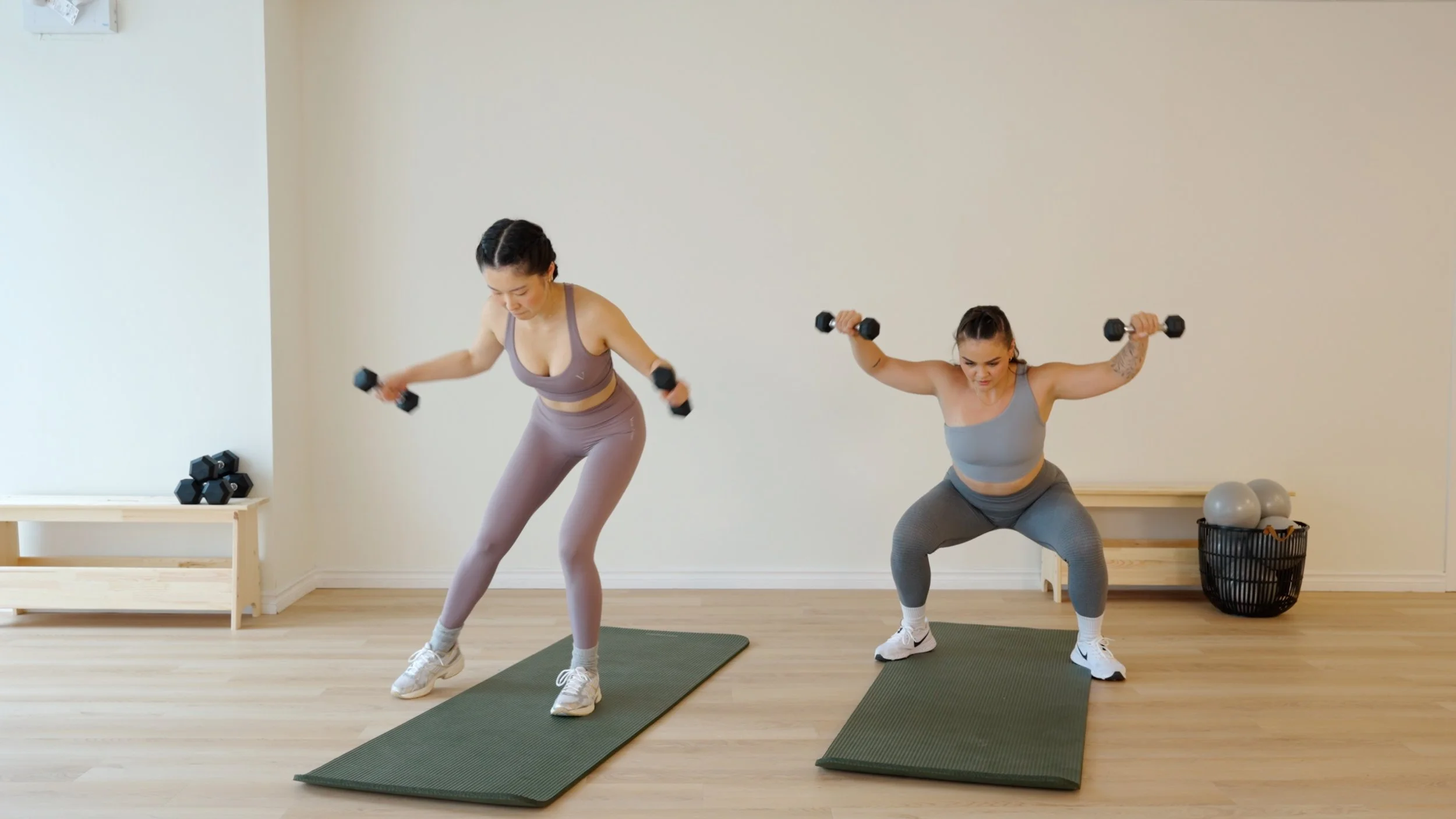
Why the "Grind" might be holding you back; and a smarter way to move.
We’ve all been there. You’re at the gym, looking at the rack, thinking: “If I just add five more pounds, I’ll finally feel strong.” We’ve been taught that strength is a loud, sweaty, "no-pain-no-gain" kind of thing. More plates. More grit. More coffee to get through the burnout.
But have you ever noticed that the harder you push, the "tighter" you feel? Maybe you’re hitting personal bests on the weights, but your lower back is cranky, your neck is stiff, and you’re exhausted before the workday even hits noon.
At Form & Function, we see it differently. In our Richmond studio, we believe strength isn't just about what you can lift. It’s about how well you can live.
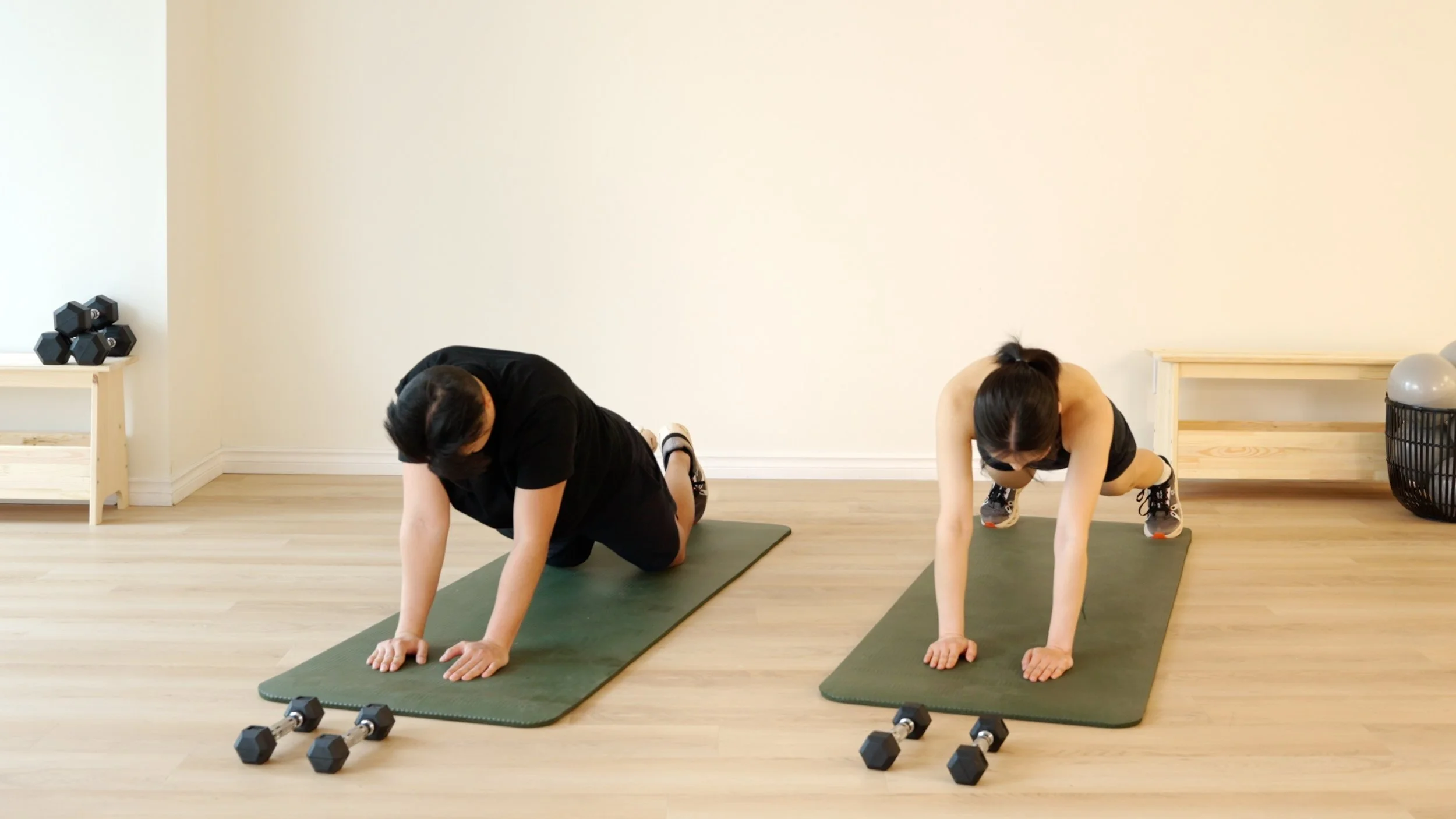
The 4 Faces of Real Strength
Strength isn't one-size-fits-all. It’s a multi-dimensional toolkit that helps you navigate life in Richmond, from carrying heavy bags at the night market to staying agile on the dance floor.
The "Capable" Strength (Muscular Strength) Yes, this is the classic. It’s the confidence of knowing you can pick up a heavy box (or a toddler) without a second thought. It’s the "Form" that supports your "Function."
The "Quiet" Strength (Stability & Control) This is the secret sauce. Stability is the ability to not move when you don’t want to. It’s what keeps you balanced when the floor is uneven or when you’re holding a difficult pose in Barre. Without stability, weight is just stress on your joints. Control is where true power lives.
The "Keep Going" Strength (Endurance) Strength doesn't matter if it fizzes out after 30 seconds. Real strength is having the energy to finish your Pilates set with the same precision you started with—and still having the "oomph" to enjoy a walk by the water afterward.
The "Life" Strength (Functional Movement) Does your gym strength help you in the real world? Real strength means better posture at your desk, less stiffness after a long drive, and a body that feels "fluid" rather than "frozen."
The "Heavier is Better" Trap
In fitness culture, there’s a massive pressure to always do more. But if your form is breaking down, you aren't building muscle—you’re just building a future appointment with a physiotherapist.
Progress isn't a straight line up; it’s a circle.
Some weeks, progress looks like a heavier dumbbell. Other weeks, progress looks like slowing down a Pilates move by three seconds to finally feel your core engage. Both are wins. Both make you stronger.
Why Variety is Your Secret Weapon
This is why we offer everything from High-Intensity Fitness to Mat Pilates and Barre.
Lifting builds the engine.
Pilates & Barre tune the gears and stabilize the frame.
Yoga & Recovery provide the oil that keeps everything moving smoothly.
If you only do one, you’re missing out on the full picture of what your body can do.
The Most Powerful Move? Knowing When to Rest.
It sounds counterintuitive, but recovery is a strength skill. Choosing a restorative session when your body is screaming for a break isn't "quitting." It’s being an athlete. It’s giving your nervous system the chance to actually build the muscle you’ve been working so hard for.
Strength Looks Different on You
You don’t need to train like a bodybuilder to be "strong enough." Strength is being able to move through your day in Richmond—from the office to the trails to the studio—feeling capable, energized, and pain-free.
Ready to build a body that feels as good as it looks?
Whether you want to sharpen your Dance technique, find your center in Yoga, or build foundational power in our Fitness classes, we’re here to help you find your version of strong.