
The Science Behind Leg Day: Why Lower Body Workouts Burn More Calories
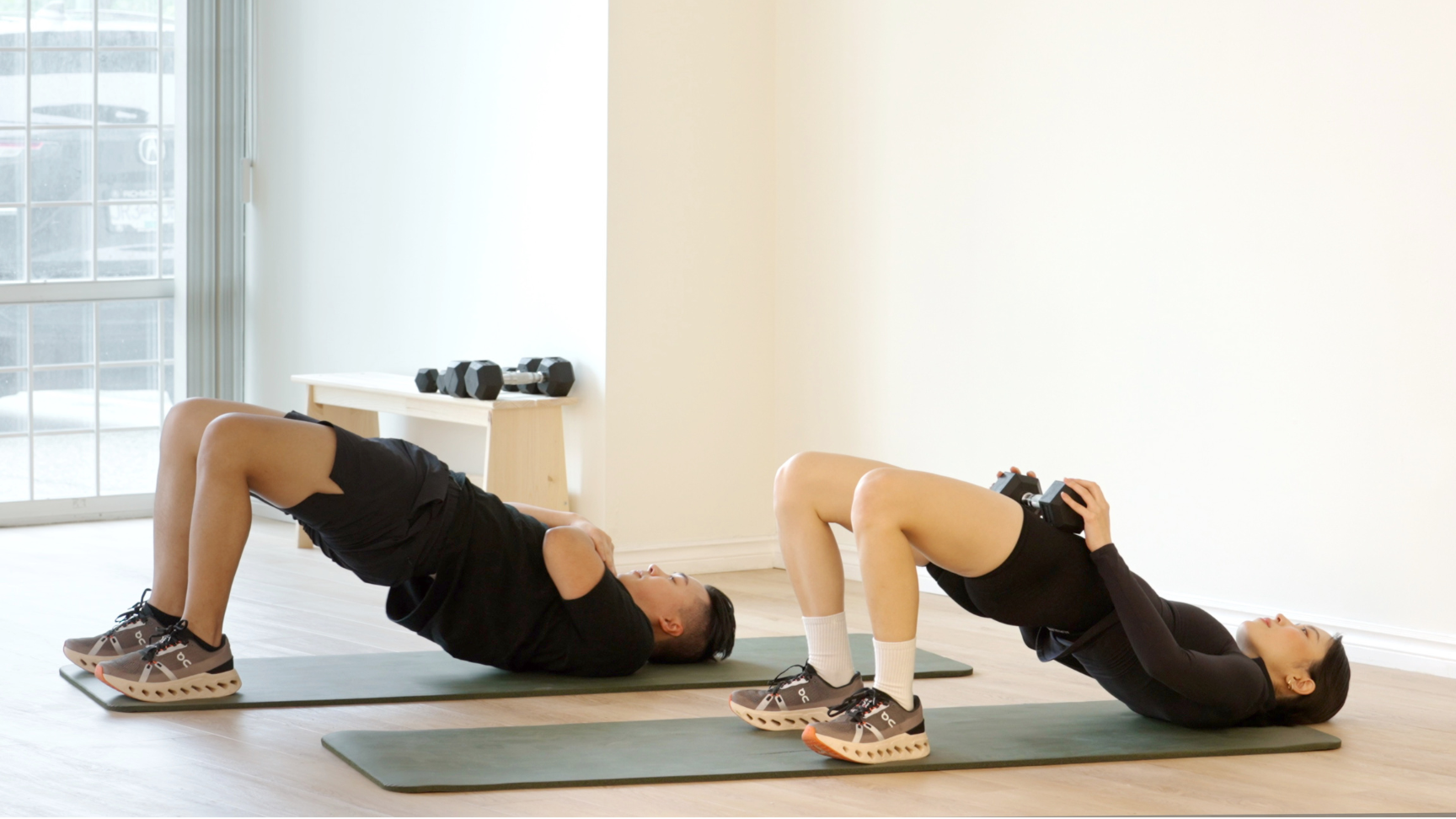
If you’ve ever finished a leg workout feeling completely wiped, sweaty, breathless, and strangely energized? You’re not imagining things. Lower-body training is one of the most powerful ways to burn calories, build strength, and boost your metabolism.
At Form & Function in Richmond, our Legs & Glutes classes are intentionally designed to do more than just shape your muscles. They work with your body’s biology to maximize calorie burn, improve functional strength, and support long-term movement health.
Let’s break down the science-backed reasons why leg day hits differently, and why it might be the most important workout of your week.
🔥 Your Legs Contain the Largest Muscles in Your Body
Your lower body contains some of the largest and most powerful muscle groups you have:
Quadriceps
Hamstrings
Glutes
Calves
Because these muscles are so large, they demand significantly more energy to contract and move. This means:
✅ Higher calorie burn per exercise
✅ Greater cardiovascular demand, even during strength-based movements
✅ Faster fatigue, which leads to a stronger metabolic response
For example, a single squat doesn’t just train your legs. It activates your core, back, hips, and stabilizing muscles at the same time. That’s why leg exercises feel intense quickly and deliver so much impact in less time.
🔥 Bigger Muscles = Higher Post-Workout Metabolism
Leg workouts are especially effective at triggering EPOC (Excess Post-Exercise Oxygen Consumption), often called the afterburn effect.
What does that mean?
After a challenging leg day, your body continues burning calories long after class is over as it works to:
Repair muscle fibers
Replenish oxygen levels
Restore energy stores
Regulate heart rate and circulation
Because leg workouts place a higher demand on the body, this elevated calorie burn can last 24–48 hours post-workout. That means leg day isn’t just working during class. It’s working for you afterward too.
🔥 Lower Body Workouts Are Compound-Movement Heavy
Most effective leg exercises are compound movements, meaning they involve multiple joints and muscle groups working together.
Common leg-day staples include:
Squats
Lunges
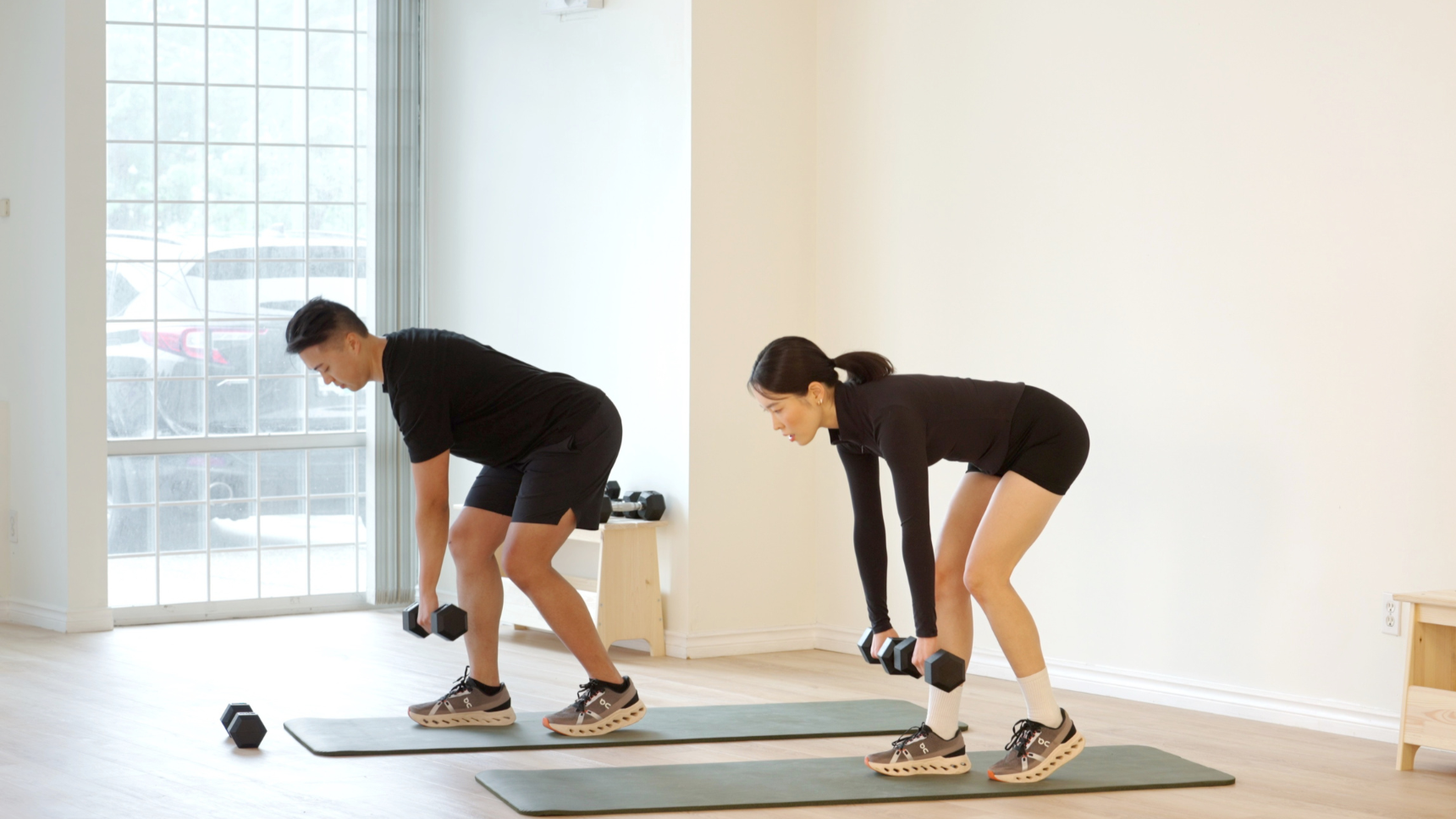
Deadlifts
Step-ups
Glute bridges
These movements:
🔁 Burn more calories than isolated exercises
💪 Build real-world strength
🚶 Improve everyday activities like walking, climbing stairs, and lifting
⚖️ Increase coordination and joint stability
This is why leg training feels functional. It mirrors how your body naturally moves in daily life.
🔥 Strong Legs Improve Balance, Posture, and Mobility
Lower-body training doesn’t just target muscles you can see. It strengthens the stabilizing system of your body.
Leg day supports the health of your:
✔ Hips
✔ Knees
✔ Ankles
✔ Core
When these areas are strong and balanced, you’ll notice:
Improved posture and alignment
More confident, controlled movement
Better balance and coordination
Reduced risk of injury
Strong legs enhance performance across all workouts — from dance and HIIT to Pilates, barre, and yoga. Everything feels smoother and more supported.
🔥 Strong Glutes Support Your Whole Body
Your glutes are one of the most important muscle groups for overall health. They’re responsible for:
Hip extension
Stability and balance
Explosive power
Supporting the lower back
Weak or inactive glutes can contribute to:
Lower back pain
Knee discomfort
Poor posture
Reduced athletic performance
Training your legs properly ensures your glutes are doing their job, protecting your spine, improving movement efficiency, and helping prevent injury. Strong legs create a strong foundation for your entire body.
⭐ Try Leg Day the Fun Way at Form & Function
Our Legs & Glutes classes pair targeted strength training with upbeat music and the supportive vibe we’re known for. You’ll:
Build strength safely
Sculpt your lower body
Improve mobility
Burn calories efficiently
Get a satisfying, sweaty workout
Your legs carry you everywhere! Treat them well!
Join us this week to feel the difference in your strength, energy, and confidence.